
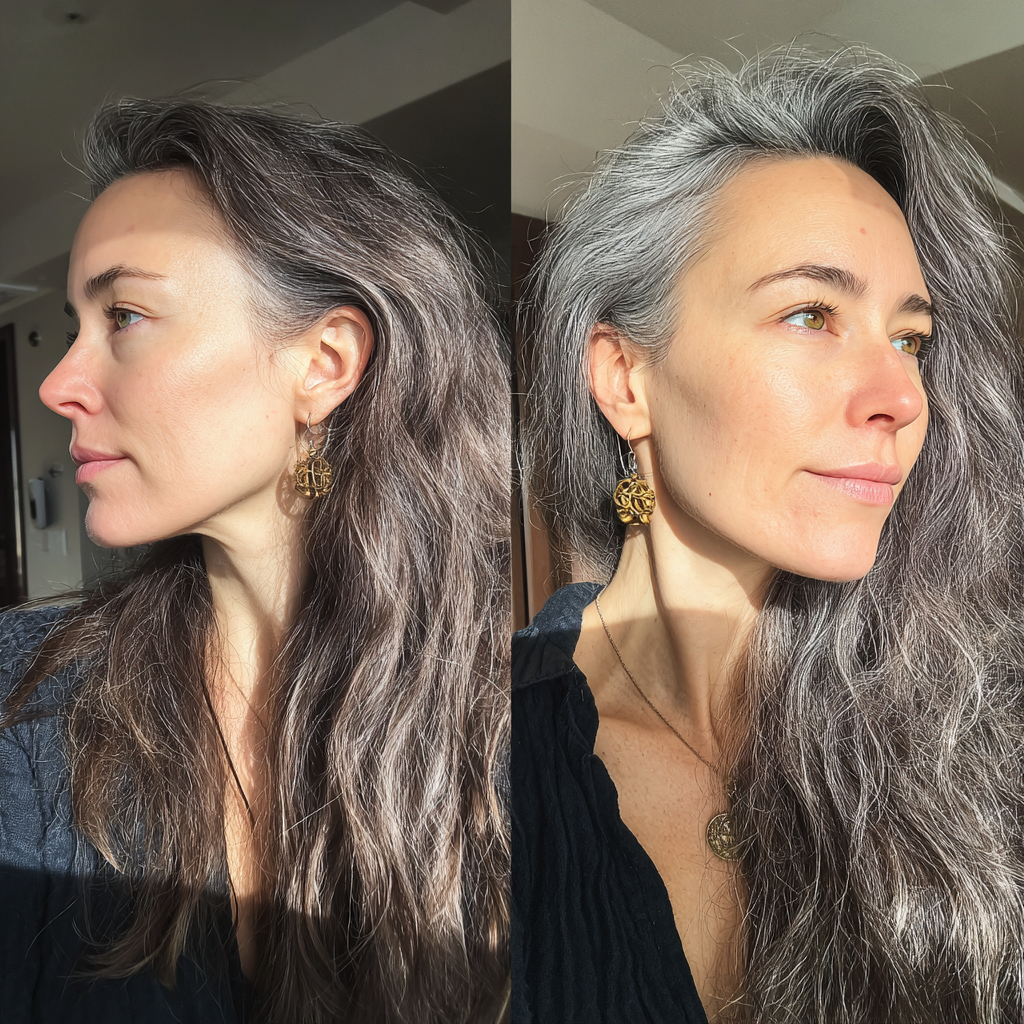
Can You Dye Your Hair While Pregnant? Proven Answers!
So, can you dye your hair while pregnant? This is a question that many expectant mothers ponder, wanting to maintain their usual beauty routines. But, is it safe to color your hair when you’re carrying a little one? If you’re unsure about the safety of hair dye during pregnancy, keep reading.
This article will explore the facts and provide you with the information you need to make an informed decision. We’ll cover the potential risks, safer alternatives, and expert advice. Ultimately, you’ll discover how to keep your hair looking great while prioritizing the health of your baby.
Imagine running your fingers through freshly colored, vibrant hair, feeling confident and refreshed. The rich color catches the light, and you feel like yourself again. However, a nagging worry lingers: is this harming your developing baby? The scent of the dye is strong, and you wonder if it’s crossing the placental barrier.
The good news is that research suggests that the chemicals in hair dye are poorly absorbed into the bloodstream. However, some precautions are still worth taking. Let’s delve into the details and address your concerns about hair dye during pregnancy.
One of the primary concerns around hair dye revolves around the chemicals they contain. Many conventional hair dyes include ingredients like ammonia, peroxide, and paraphenylenediamine (PPD). While these chemicals are effective in altering hair color, they also raise questions about potential health risks. Fortunately, there are several health benefits from ingredients that may be used in some hair dyes.
For example, some hair dyes incorporate plant-based extracts such as henna, which is derived from the henna plant. Henna contains tannins, which have antioxidant properties. These antioxidants can help protect your scalp and hair follicles from damage caused by free radicals. As a result, henna may contribute to healthier hair and scalp during pregnancy.
In addition, some natural hair dyes include essential oils. Lavender oil, for example, is known for its calming and anti-inflammatory properties. When applied to the scalp, lavender oil can help reduce irritation and promote relaxation. This can be especially beneficial during pregnancy when stress levels may be higher.
Moreover, certain hair dyes use ingredients like aloe vera, which is rich in vitamins and minerals. Aloe vera can moisturize and soothe the scalp, preventing dryness and itchiness. This can be particularly helpful as hormonal changes during pregnancy can sometimes affect skin and scalp health.
Finally, some hair dyes may contain Vitamin E. This is a powerful antioxidant that helps protect the hair and scalp from damage. It also promotes healthy circulation, which can contribute to hair growth and overall scalp health. This is a surprising benefit that many people don’t realize.
This guide provides a balanced approach, combining safety with beauty. It offers solutions that minimize chemical exposure while still achieving great color. This method focuses on techniques like highlighting and using semi-permanent dyes. These options reduce the risk of absorption and ensure a healthier pregnancy.
This article also considers the emotional aspect of pregnancy. It acknowledges the desire to feel good about your appearance during this transformative time. The tips and advice are designed to empower you with choices that are both safe and satisfying. Thousands of expectant mothers have found these solutions effective for maintaining their hair color without worry.
In short, this guide will give you all the info you need to know about hair dyeing while pregnant. The estimated prep time to read this is 5 minutes, and the skill level required is beginner. This guide is perfect for expectant mothers wanting to maintain their beauty routines safely and effectively.
What is Hair Dye and How Does it Work?
Hair dye is a cosmetic product used to change the color of hair. It works by penetrating the hair shaft and depositing color molecules. Permanent hair dyes typically use ammonia and peroxide to open the hair cuticle. This allows the color to bond with the hair’s natural pigment. Semi-permanent dyes coat the hair shaft and gradually wash out over time.
Why You Will Love This Guide
- It provides clear, concise answers about hair dyeing during pregnancy.
- It offers practical tips for minimizing chemical exposure.
- It suggests safe and effective alternatives to traditional hair dyes.
- It helps you maintain your beauty routine without compromising your baby’s health.
- It empowers you to make informed decisions with confidence.
Ingredients You Need to Know
- Ammonia: Used to open the hair cuticle, allowing color to penetrate. Consider ammonia-free options for reduced odor and potential irritation.
- Peroxide: Lightens the natural hair color and helps the dye bind. Opt for lower-volume developers to minimize damage.
- Paraphenylenediamine (PPD): A common dye ingredient that can cause allergic reactions. Look for PPD-free alternatives, especially if you have sensitive skin.
- Henna: A natural dye derived from the henna plant. It provides a reddish-brown color and is considered a safer alternative.
- Vegetable-Based Dyes: Dyes made from plant extracts like beets, carrots, and indigo. These are gentle and temporary options.
How to Dye Your Hair Safely Step by Step
- Choose a Safe Dye: Opt for ammonia-free, PPD-free, or vegetable-based dyes. These minimize chemical exposure.
- Perform a Patch Test: Apply a small amount of dye to your skin 48 hours before dyeing your hair. This checks for allergic reactions.
Pro Tip: Always perform a patch test, even if you’ve used the dye before. Pregnancy can make your skin more sensitive.
- Wear Gloves: Protect your hands from direct contact with the dye by wearing gloves. This reduces chemical absorption through the skin.
- Dye in a Well-Ventilated Area: Ensure good airflow to minimize inhalation of fumes. Open windows and doors for ventilation.
- Avoid Scalp Contact: Apply the dye carefully, avoiding direct contact with your scalp. This reduces the amount of chemicals absorbed into your system.
- Limit Processing Time: Follow the instructions carefully and do not leave the dye on longer than recommended. Rinse thoroughly with water.
Expert Tips for Best Results
- Consider highlights or lowlights. These techniques involve less dye contacting the scalp.
- Use semi-permanent dyes. They coat the hair shaft instead of penetrating it.
- Wait until after the first trimester. The baby is less vulnerable after this point.
- Opt for natural or organic hair dyes. These often contain fewer harsh chemicals.
- Consult with your doctor or a qualified hair stylist. They can provide personalized advice.
- Extend the time between dye jobs. This reduces your overall exposure to chemicals.
Variations and Substitutions
- Henna Dye: A natural alternative that provides a reddish-brown color. It’s safe but can be time-consuming.
- Vegetable-Based Dyes: Use dyes made from beets, carrots, or indigo for temporary color changes.
- Highlighting: Adds dimension without direct scalp contact. Ask your stylist for foil highlights.
- DIY Hair Masks: Use natural ingredients like coffee or tea to subtly darken your hair.
How to Serve and Store
After dyeing your hair, use a color-safe shampoo and conditioner to maintain the vibrancy. Avoid washing your hair too frequently to prevent the color from fading quickly. Additionally, protect your hair from excessive sun exposure, as UV rays can also cause the color to fade.
Store any leftover dye in a cool, dark place, away from direct sunlight and heat. Ensure the container is tightly sealed to prevent oxidation and degradation of the product. Keep it out of reach of children.
Freezing hair dye is not recommended, as it can alter the chemical composition and affect its performance. Reheating is also not applicable, as hair dye is designed for single use at room temperature.
Frequently Asked Questions
Is it safe to dye my hair during the first trimester?
It’s generally recommended to wait until after the first trimester to dye your hair. The baby is less vulnerable after this point.
Can hair dye cause birth defects?
Research suggests that the risk of hair dye causing birth defects is low. However, it’s best to minimize chemical exposure during pregnancy.
Are ammonia-free hair dyes safer during pregnancy?
Yes, ammonia-free hair dyes are generally considered safer. They reduce the risk of irritation and strong fumes.
Can I get an allergic reaction to hair dye while pregnant?
Yes, pregnancy can make your skin more sensitive. Always perform a patch test before dyeing your hair.
Is henna a safe alternative to chemical hair dyes?
Yes, henna is generally considered a safe, natural alternative. It’s derived from plants and doesn’t contain harsh chemicals.
Can I dye my hair at home, or should I go to a salon?
You can dye your hair at home, but a salon may provide better ventilation and professional application. This minimizes risks.
In conclusion, the answer to can you dye your hair while pregnant is nuanced. By choosing safer alternatives and taking precautions, you can maintain your beauty routine without undue risk. Remember to prioritize your health and the health of your baby. Try this recipe today and leave a comment below!