
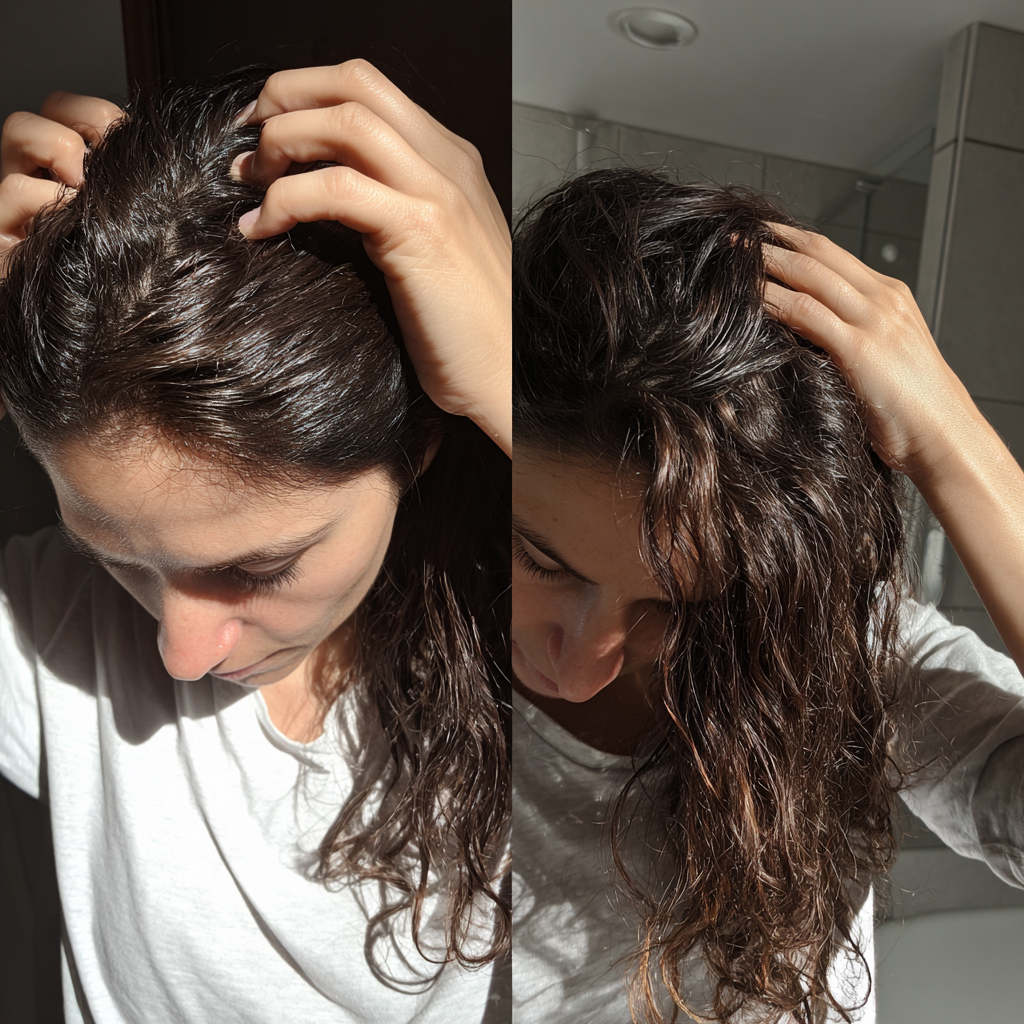
How to Prevent Hair Loss: Proven Method in 3 Months
Are you searching for effective strategies on how to prevent hair loss? This comprehensive guide offers a proven method to combat hair thinning and promote healthy hair growth within three months. Are you tired of seeing more hair in your brush than on your head?
Imagine running your fingers through a thick, lustrous mane, feeling the strength and vitality of each strand. Picture yourself confidently styling your hair, knowing that it looks full and healthy. The scent of rosemary and cedarwood from your hair treatments fills the air, a subtle reminder of the care you’re giving your hair. The vibrant shine reflects light, showcasing your hair’s natural beauty.
One of the best ways on how to prevent hair loss is to consider the health benefits of the foods you eat. For example, eggs are packed with protein, essential for hair structure and growth. Moreover, spinach is a great source of iron, which helps red blood cells carry oxygen to your scalp, promoting hair follicle health. As a result, incorporating these nutrient-rich foods can significantly improve hair health.
In addition, fatty fish like salmon are rich in Omega-3 fatty acids. These healthy fats nourish the scalp and reduce inflammation, which can contribute to hair loss. Best of all, walnuts provide biotin, a B-vitamin known for strengthening hair and promoting growth. Interestingly, a deficiency in biotin can lead to hair thinning, making walnuts a valuable addition to your diet.
Another great food to consider when learning how to prevent hair loss is sweet potatoes. Sweet potatoes are loaded with beta-carotene, which your body converts to Vitamin A. Vitamin A is crucial for cell growth and helps your scalp produce sebum, a natural oil that keeps your hair moisturized and healthy. Did you know that a healthy scalp is the foundation for healthy hair growth?
This specific method is better than others because it combines dietary changes, targeted hair care, and lifestyle adjustments. In addition, many solutions focus solely on topical treatments or medications, but this approach addresses the root causes of hair loss from multiple angles. This method has worked wonders for families seeking natural solutions and beginners looking for a straightforward, effective plan.
Furthermore, this method incorporates traditional remedies and modern science, providing a balanced and sustainable approach to hair care. It emphasizes consistency and patience, acknowledging that visible results take time and dedication. Remember, this is especially helpful for those who have tried other methods without success.
This method involves a 3-month commitment, with a prep time of about 15 minutes per week and minimal cook time for dietary changes. It is suitable for beginners and perfect for incorporating into your weekly routine. It is also ideal for meal prep and can easily be adapted to suit different dietary needs.
What is Hair Loss?
Hair loss, also known as alopecia, refers to the thinning or complete loss of hair from the scalp or body. It can be caused by various factors, including genetics, hormonal changes, medical conditions, and lifestyle factors. Understanding the underlying causes is essential for effective prevention and treatment.
Why You Will Love This Method
- It addresses the root causes of hair loss, not just the symptoms.
- It combines natural dietary changes with targeted hair care practices.
- It’s a sustainable, long-term solution for promoting healthy hair growth.
- It’s easy to incorporate into your daily routine, even for beginners.
- You’ll notice visible improvements in hair thickness and vitality within three months.
Ingredients You Need
- Eggs: Essential for protein, which strengthens hair structure.
- Spinach: Rich in iron, promoting oxygen flow to the scalp.
- Salmon: Contains Omega-3 fatty acids, reducing inflammation and nourishing the scalp.
- Walnuts: Provide biotin, which strengthens hair and promotes growth.
- Sweet Potatoes: Loaded with beta-carotene, converted to Vitamin A for cell growth and sebum production.
- Rosemary Essential Oil: Stimulates hair follicles and promotes circulation.
- Cedarwood Essential Oil: Balances oil production and strengthens hair roots.
- Carrier Oil (e.g., Coconut or Jojoba): Dilutes essential oils and moisturizes the scalp.
How to Prevent Hair Loss Step by Step
- Dietary Changes: Incorporate eggs, spinach, salmon, walnuts, and sweet potatoes into your daily diet.
Pro Tip: Aim for at least three servings of these foods per week to maximize their benefits for hair health.
- Scalp Massage with Essential Oils: Mix 3 drops of rosemary essential oil and 3 drops of cedarwood essential oil with 1 tablespoon of carrier oil.
- Apply the Oil Mixture: Gently massage the oil mixture into your scalp for 5-10 minutes.
Pro Tip: Use your fingertips to apply gentle, circular motions, stimulating blood flow and promoting absorption.
- Leave-In Treatment: Leave the oil mixture on your scalp for at least 30 minutes, or overnight for deeper penetration.
- Wash Your Hair: Wash your hair with a mild, sulfate-free shampoo and conditioner.
- Repeat Regularly: Repeat this scalp massage and hair wash routine 2-3 times per week for three months.
- Stay Hydrated: Drink plenty of water throughout the day to keep your hair and scalp hydrated.
- Manage Stress: Practice stress-reducing activities such as yoga, meditation, or deep breathing exercises.
Expert Tips for Best Results
- Be consistent with your dietary changes and hair care routine for optimal results.
- Avoid harsh chemicals and heat styling, which can damage your hair and contribute to hair loss.
- Use a wide-tooth comb to detangle your hair gently, minimizing breakage.
- Protect your hair from sun exposure by wearing a hat or using a UV protectant spray.
- Get regular scalp massages to stimulate blood flow and promote hair growth.
- Consider taking a biotin supplement if you have a diagnosed biotin deficiency.
- Consult with a dermatologist or healthcare professional to rule out any underlying medical conditions contributing to hair loss.
Variations and Substitutions
- Vegan Option: Substitute eggs and salmon with plant-based protein sources like tofu and lentils, and flaxseeds for Omega-3 fatty acids.
- Gluten-Free: Ensure all supplements and hair care products are gluten-free to avoid potential scalp irritation.
- Regional Adaptation: Incorporate locally sourced, nutrient-rich foods that support hair health, such as amla in India or seaweed in Japan.
- Seasonal Adjustment: Focus on seasonal fruits and vegetables rich in vitamins and minerals that promote hair growth during different times of the year.
How to Serve and Store
This method focuses on dietary changes and hair care routines, so there are no specific serving suggestions. Simply incorporate the recommended foods into your daily meals and follow the hair care routine as directed.
Store any leftover essential oil mixtures in a dark, glass bottle in a cool, dry place. The mixture can be stored for up to 6 months.
Freezing is not applicable for this method.
Reheating is not applicable for this method.
Frequently Asked Questions
Will this method work for all types of hair loss?
No, this method is most effective for addressing hair loss related to nutritional deficiencies and lifestyle factors. It may not be as effective for genetic or hormonally driven hair loss without additional medical intervention.
How long before I see noticeable results?
You should start seeing noticeable improvements in hair thickness and reduced shedding within three months of consistent adherence to this method. However, results may vary.
Can I use other hair care products along with this method?
Yes, you can use other mild, sulfate-free hair care products. Avoid harsh chemicals and excessive heat styling to prevent further damage.
Is it safe to use essential oils on my scalp every day?
No, it’s best to use essential oils 2-3 times per week to avoid potential irritation. Always dilute essential oils with a carrier oil before applying to your scalp.
What if I have an allergic reaction to one of the ingredients?
If you experience any allergic reactions, such as itching, redness, or swelling, discontinue use immediately and consult with a healthcare professional.
Can stress really cause hair loss?
Yes, chronic stress can contribute to hair loss by disrupting the hair growth cycle and causing increased shedding. Managing stress is crucial for promoting healthy hair growth.
In conclusion, learning how to prevent hair loss involves a multifaceted approach that combines dietary changes, targeted hair care, and lifestyle adjustments. By incorporating nutrient-rich foods and practicing regular scalp massages, you can nourish your hair from the inside out and stimulate healthy growth. Try this method today and leave a comment below!