
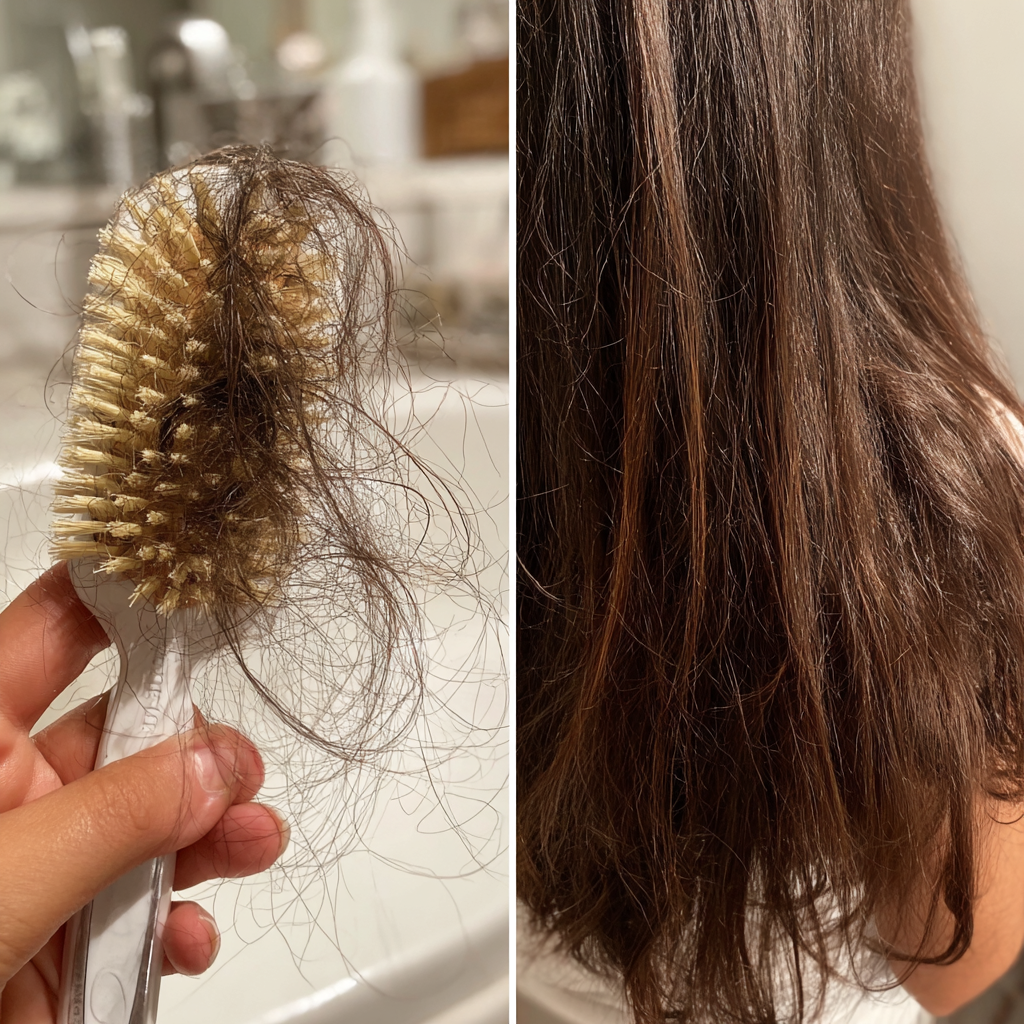
What are causes of hair fall? Proven: Losing 50 Strands
What are causes of hair fall? This is a question that plagues many, impacting their confidence and overall well-being. Hair fall can be a frustrating experience, but understanding the root causes is the first step toward effective management. Have you noticed more hair in your brush or shower drain lately?
Losing hair can be alarming, but it’s essential to remember that some hair shedding is perfectly normal. In fact, it’s common to lose around 50 to 100 strands of hair each day. However, excessive hair fall can indicate an underlying issue that needs addressing. Let’s explore the potential reasons behind this concern.
Hair health is closely linked to the nutrients we consume. A balanced diet rich in vitamins and minerals is crucial for strong, healthy hair. Deficiencies in certain nutrients can weaken hair follicles, leading to increased shedding. Therefore, it’s important to ensure you’re getting enough of these essential elements through your diet or supplements.
One of the significant health benefits of a balanced diet for hair is the intake of Iron. Iron deficiency, or anemia, is a well-known cause of hair loss, especially in women. Iron helps red blood cells carry oxygen to the body’s cells, including those in the scalp, which promotes hair growth. In addition, Vitamin D plays a crucial role in hair follicle cycling. Low levels of Vitamin D have been associated with hair loss, making it essential to maintain adequate levels through sunlight, diet, or supplements.
Zinc is another vital mineral for hair health. It is involved in protein synthesis and cell division, both of which are necessary for hair growth. A surprising fact is that Selenium, while needed in small amounts, acts as an antioxidant that can protect hair follicles from damage. Not getting enough Omega-3 fatty acids can also lead to dry and brittle hair. As a result, a diet rich in these nutrients can significantly improve hair strength and reduce hair fall.
Our modern lifestyles often involve high stress levels, which can significantly impact our physical health, including our hair. Stress can disrupt the hair growth cycle, leading to a condition called telogen effluvium. This condition causes hair follicles to enter the resting phase prematurely, resulting in increased shedding. Fortunately, managing stress through relaxation techniques can help mitigate its effects on hair health.
This specific guide stands out because it provides a comprehensive overview of the many potential causes of hair fall, from nutritional deficiencies to hormonal imbalances. Furthermore, it gives actionable advice on how to address each factor. This approach ensures that you’re equipped with the knowledge to tackle your specific hair fall issues, unlike generic articles that offer one-size-fits-all solutions. Many families have found this guide helpful in identifying and resolving their hair fall problems.
This guide provides a quick overview of what are causes of hair fall. It includes potential solutions, and it is perfect for anyone looking to understand and address their hair fall concerns. The prep time is just the time it takes to read, there is no cook time, and it is suitable for all skill levels. It’s perfect for a quick read during a lunch break or as part of your self-care routine.
What is Hair Fall?
Hair fall, also known as hair loss or alopecia, refers to the shedding of hair from the scalp or other parts of the body. While it’s normal to lose some hair daily, excessive shedding can be a cause for concern. Understanding the difference between normal shedding and abnormal hair loss is crucial for identifying potential problems early on.
Why You Will Love This Guide
- Provides a comprehensive overview of potential causes.
- Offers actionable advice for managing hair fall.
- Helps you identify the specific cause of your hair loss.
- Empowers you to take control of your hair health.
- It gives you the knowledge to distinguish normal shedding from excessive hair fall.
Ingredients You Need (To Consider)
- Iron: Essential for oxygen transport to hair follicles.
- Vitamin D: Supports hair follicle cycling and growth.
- Zinc: Involved in protein synthesis and cell division.
- Omega-3 Fatty Acids: Help keep hair moisturized and healthy.
- Balanced Diet: Provides all the necessary nutrients for hair health.
How to Identify the Cause of Your Hair Fall Step by Step
- Monitor Your Hair Shedding: Keep track of how much hair you’re losing daily. Notice when you are experiencing increased hair fall.
Pro Tip: Collect the hair you lose in the shower or while brushing for a few days to get an idea of the amount.
- Evaluate Your Diet: Review your diet and identify any potential nutrient deficiencies. Make sure you are consuming enough Iron, Vitamin D, and Zinc.
- Assess Your Stress Levels: Consider whether you’ve been experiencing high levels of stress recently. High stress can lead to increased hair shedding.
- Check Your Medications: Research the side effects of any medications you’re taking. Some medications can cause hair loss as a side effect.
- Consider Hormonal Factors: If you’re a woman, consider whether hormonal changes could be contributing to your hair fall. Hormonal imbalances can affect hair growth.
- Consult a Healthcare Professional: If you’re concerned about your hair fall, consult a doctor or dermatologist. They can help identify the underlying cause and recommend appropriate treatment options.
Expert Tips for Best Results
- Eat a balanced diet rich in vitamins and minerals.
- Manage stress through relaxation techniques.
- Avoid harsh hair treatments and styling products.
- Use a gentle shampoo and conditioner.
- Consider taking supplements to address nutrient deficiencies.
- Protect your hair from excessive heat and sun exposure.
Variations and Substitutions
- Dietary Changes: Adjust your diet to address specific nutrient deficiencies.
- Stress Management Techniques: Try different stress-reducing activities like yoga or meditation.
- Hair Care Products: Switch to gentle, natural hair care products.
- Professional Treatments: Explore options like laser therapy or hair transplants.
How to Serve and Store (Your Hair?)
This section is about maintaining healthy hair and preventing further hair fall!
- Serving Suggestions: Maintain a healthy lifestyle to support hair growth.
- Storage: Not applicable.
- Freezing: Not applicable.
- Reheating: Not applicable.
Frequently Asked Questions
Can stress cause hair fall?
Yes, stress can disrupt the hair growth cycle and lead to increased shedding. Managing stress is important for hair health.
Is hair fall normal?
Yes, it’s normal to lose some hair daily. However, excessive shedding may indicate an underlying issue.
What vitamins are good for hair growth?
Iron, Vitamin D, Zinc, and Omega-3 fatty acids are beneficial for hair growth.
Can medications cause hair fall?
Yes, some medications can cause hair loss as a side effect. Consult your doctor if you suspect this.
How can I stop hair fall immediately?
Addressing the underlying cause of hair fall is key. A balanced diet and stress management can help.
When should I see a doctor about hair fall?
See a doctor if you’re concerned about excessive hair fall or notice sudden changes in your hair.
In conclusion, understanding what are causes of hair fall is crucial for effective management. By addressing potential nutrient deficiencies and managing stress, you can improve your hair health. Try this guide today and leave a comment below!