
Best Foods for Hair Growth: Proven Results in 90 Days
Are you looking for the best foods for hair growth? This guide reveals how to nourish your hair from the inside out for stronger, longer, and healthier locks. Have you ever wondered if what you eat directly impacts the vitality of your hair?
Imagine running your fingers through thick, lustrous hair that shines with health. Picture yourself feeling confident and radiant, knowing your hair reflects your inner well-being. This isn’t just a dream; it’s achievable by incorporating specific foods into your diet. You’ll notice a difference in your hair’s texture, shine, and overall strength.
One of the best foods for hair growth is eggs, packed with protein and essential nutrients. Protein is the building block of hair, ensuring strong strands from root to tip. Furthermore, eggs are a fantastic source of biotin, often called the “hair vitamin.” Biotin deficiency can lead to hair loss, making eggs a vital addition to your diet.
Another excellent choice is spinach, a leafy green rich in vitamins and minerals. Spinach contains Vitamin A, Vitamin C, iron, and folate. These nutrients work together to keep your scalp healthy and your hair follicles nourished. Healthy hair follicles mean less breakage and increased hair growth.
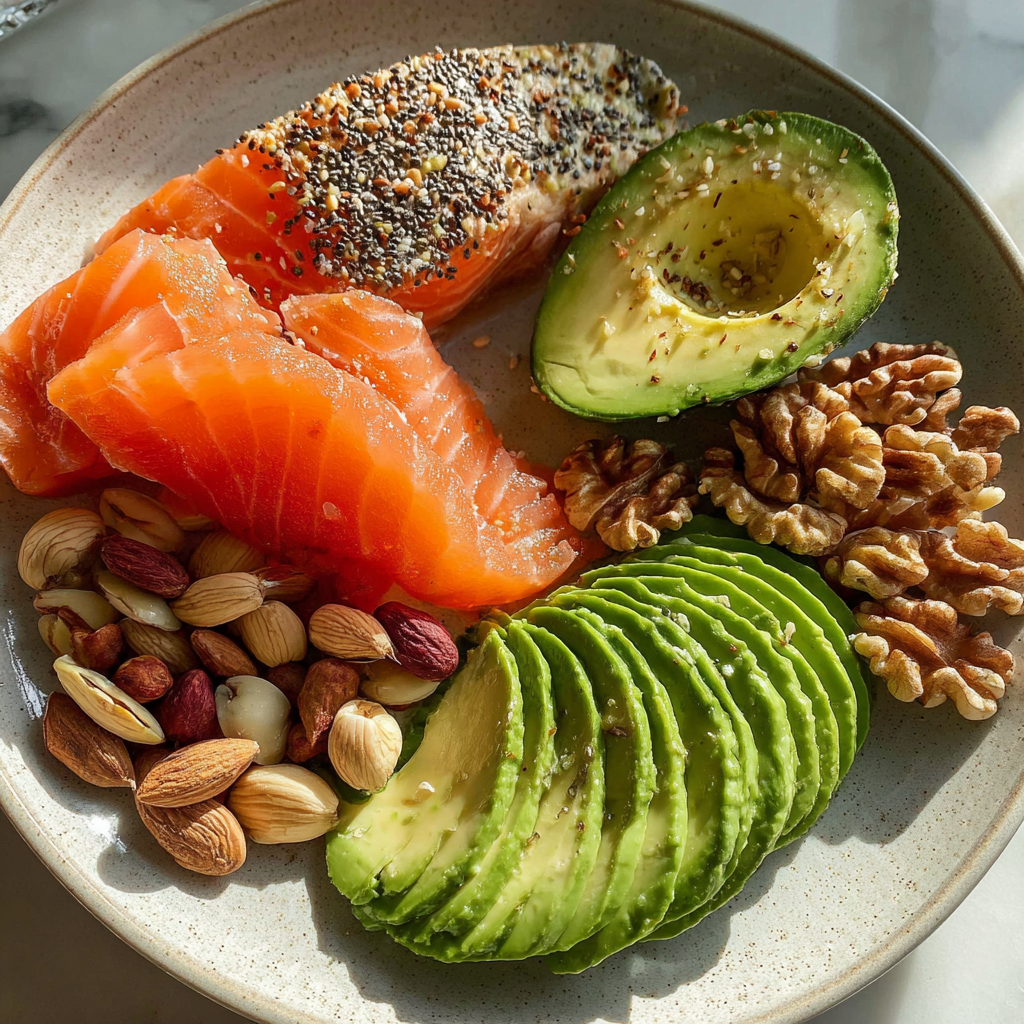
Fatty fish, such as salmon and mackerel, are also among the best foods for hair growth. These fish are loaded with Omega-3 fatty acids, which have anti-inflammatory properties. Omega-3s can improve scalp health and promote hair growth by reducing inflammation in the hair follicles. A healthy scalp environment is crucial for optimal hair growth.
Sweet potatoes are another fantastic option, boasting high levels of beta-carotene. Your body converts beta-carotene into Vitamin A, which is essential for cell growth. Additionally, Vitamin A helps your scalp produce sebum, a natural oil that keeps your hair moisturized and healthy. Did you know that selenium in Brazil nuts can also stimulate hair growth?
This specific guide focuses on providing a sustainable and enjoyable approach to improving your hair health through diet. Unlike fad diets or expensive supplements, this method emphasizes real, whole foods that offer a multitude of benefits beyond just hair growth. It’s about nourishing your body and, in turn, reaping the rewards of healthier, more vibrant hair.
What sets this guide apart is its focus on long-term results. We’re not just talking about temporary fixes; we’re talking about creating a foundation for consistently healthy hair. This approach incorporates simple, delicious recipes and practical tips that easily integrate into your daily routine. Families have seen great results, beginners find it easy to follow, and it works for special occasions too.
In short, this recipe is for anyone who wants to improve their hair health through diet. It’s designed for beginners and takes only 15 minutes of prep time and no cooking time. It is perfect for adding to your daily routine and achieving noticeable results in as little as 90 days.
What are the Best Foods for Hair Growth?
The best foods for hair growth are nutrient-rich options that provide the essential vitamins, minerals, and proteins needed for healthy hair follicles. These foods include eggs, spinach, fatty fish, sweet potatoes, nuts, seeds, and yogurt. Each of these foods contributes unique benefits to promote hair strength, shine, and growth.
Why You Will Love This Guide
- It provides a simple, actionable plan to improve your hair health naturally.
- It focuses on whole foods that offer numerous health benefits beyond hair growth.
- It includes delicious and easy-to-incorporate recipes.
- It helps you achieve long-term, sustainable results.
- It boosts your confidence by enhancing your hair’s appearance and health.
Ingredients You Need
- Eggs: Essential for protein and biotin, crucial for hair strength.
- Spinach: Packed with vitamins and minerals that nourish the scalp.
- Fatty Fish (Salmon, Mackerel): Provides Omega-3 fatty acids to reduce inflammation and promote scalp health.
- Sweet Potatoes: Rich in beta-carotene, which converts to Vitamin A for cell growth and sebum production.
- Nuts and Seeds (Almonds, Walnuts, Chia Seeds): Excellent sources of Vitamin E, zinc, and Omega-3s.
- Greek Yogurt: High in protein and Vitamin B5 (pantothenic acid), which may help with hair thickness.
How to Incorporate These Foods Step by Step
- Start your day with eggs: Enjoy scrambled eggs, an omelet, or add a boiled egg to your salad. Eggs provide a protein boost that supports hair growth.
Pro Tip: Add spinach and chopped vegetables to your omelet for an extra nutrient-packed meal.
- Include spinach in your meals: Add spinach to salads, smoothies, or sauté it as a side dish. Spinach is a versatile ingredient that can easily be incorporated into various dishes.
- Eat fatty fish twice a week: Grill, bake, or pan-fry salmon or mackerel for a delicious and healthy meal. The Omega-3 fatty acids in fatty fish are essential for scalp health. [INTERNAL_LINK_1]
- Enjoy sweet potatoes as a side or snack: Bake, roast, or mash sweet potatoes for a nutritious addition to your diet. Sweet potatoes are a great source of beta-carotene, which promotes hair growth.
Pro Tip: Sprinkle cinnamon on baked sweet potatoes for added flavor and antioxidant benefits.
- Snack on nuts and seeds: Keep a bag of almonds, walnuts, or chia seeds on hand for a quick and healthy snack. Nuts and seeds provide essential vitamins, minerals, and healthy fats.
- Add Greek yogurt to your breakfast or snacks: Enjoy Greek yogurt with fruit, granola, or a drizzle of honey. Greek yogurt is high in protein and Vitamin B5, which are beneficial for hair health.
Expert Tips for Best Results
- Stay consistent with your diet to see noticeable improvements in your hair health.
- Drink plenty of water to keep your hair hydrated and healthy.
- Limit processed foods, sugary drinks, and excessive alcohol consumption, as they can negatively impact hair growth.
- Manage stress levels through exercise, meditation, or other relaxation techniques, as stress can contribute to hair loss.
- Consider taking a multivitamin if you have dietary restrictions or nutrient deficiencies.
- Consult with a healthcare professional or registered dietitian for personalized advice on nutrition for hair growth.
Variations and Substitutions
- Vegetarian/Vegan: Substitute eggs with tofu or lentils, and fatty fish with flaxseeds or walnuts for Omega-3 fatty acids.
- Gluten-Free: Ensure all ingredients are gluten-free, such as using gluten-free granola with Greek yogurt.
- Seasonal: Incorporate seasonal fruits and vegetables into your diet for a variety of nutrients. For instance, add berries in the summer and pumpkin in the fall.
- Regional: Adapt the recipes to include locally sourced ingredients, such as using local fish or nuts.
How to Serve and Store
Serve these best foods for hair growth as part of a balanced diet to promote overall health and well-being. Incorporate them into your daily meals and snacks for optimal results.
Store leftover cooked eggs, spinach, and sweet potatoes in the refrigerator for up to 3-4 days in airtight containers.
Freezing is not recommended for cooked eggs or spinach, as they can become watery and lose their texture. However, cooked sweet potatoes can be frozen for up to 2-3 months.
Reheat cooked eggs and spinach in a skillet or microwave until warmed through. Reheat sweet potatoes in the oven, microwave, or skillet until heated through.
Frequently Asked Questions
How long does it take to see results?
Results vary, but many people notice improvements in hair health within 90 days of consistently incorporating these foods into their diet. [INTERNAL_LINK_2]
Can supplements replace these foods?
No, supplements can complement a healthy diet but should not replace whole foods. Whole foods provide a broader range of nutrients and benefits.
Are there any side effects?
Generally, no. However, consuming excessive amounts of certain nutrients, like Vitamin A, can be harmful. Always consume in moderation.
Can these foods prevent hair loss?
Yes, these foods can help prevent hair loss by providing essential nutrients that support hair follicle health and promote hair growth.
What if I have dietary restrictions?
Adapt the recipes to suit your dietary needs. There are many substitutions available for vegetarian, vegan, and gluten-free diets.
How much of these foods should I eat?
Aim to include a variety of these foods in your diet regularly. A balanced approach is key to achieving optimal hair health.
In conclusion, incorporating the best foods for hair growth into your diet can significantly improve the health and appearance of your hair. By focusing on nutrient-rich options like eggs, spinach, fatty fish, and sweet potatoes, you can nourish your hair from the inside out. Try this guide today and leave a comment below!