
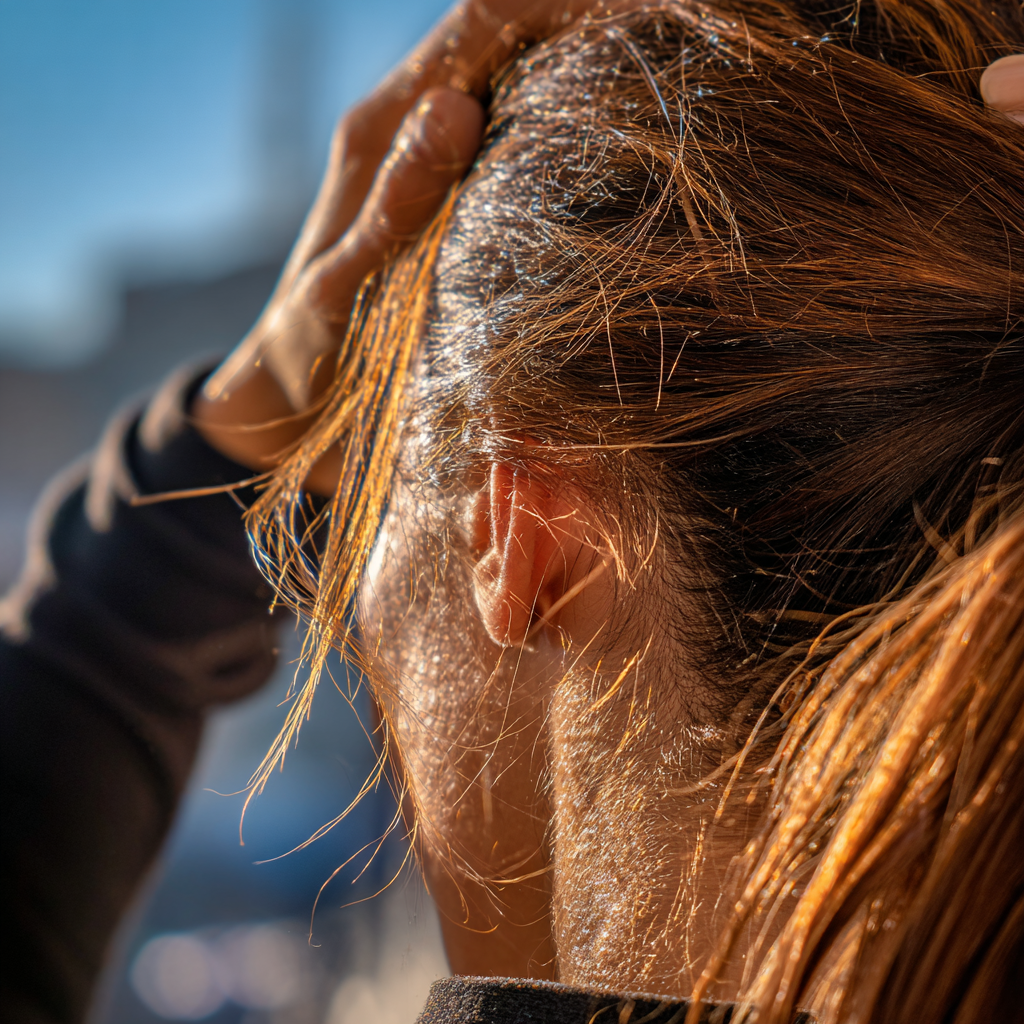
Can Fleas Survive on Human Hair? Fail After 2 Days
Can fleas survive on human hair? The short answer is no, they can’t thrive there for long. However, you might be curious about how long they can last and why human hair isn’t a suitable habitat. Have you ever wondered why your pet gets flea infestations, but you don’t, despite living in the same environment?
Fleas need specific conditions to survive, and human hair simply doesn’t provide them. Think about the ideal flea environment: warm, humid, and with easy access to blood. Imagine a cozy, furry animal versus the relatively sparse landscape of human hair. The difference is significant in terms of both food availability and environmental conditions. As a result, fleas will quickly seek a more suitable host.
Fleas are more than just a nuisance; they can transmit diseases and cause allergic reactions. Here are some surprising health benefits of keeping your environment flea-free. Firstly, preventing flea bites reduces the risk of diseases like typhus and cat scratch disease. Iron deficiency anemia can occur in severe infestations, especially in small animals. Moreover, controlling fleas minimizes exposure to tapeworms, as fleas can carry the larval stage of these parasites. In addition, flea saliva can cause allergic dermatitis in both pets and humans. Lastly, maintaining a flea-free home reduces stress and improves overall well-being for everyone.
One surprising fact about fleas is their incredible jumping ability. They can jump up to 50 times their body length! This allows them to easily move from one host to another. However, this jumping prowess doesn’t help them much on the smooth, relatively barren terrain of human hair. As a result, they will quickly seek out a more hospitable environment.
This article provides a comprehensive look at why fleas can’t survive on human hair. It stands out because it explains the biological reasons behind this fact. Furthermore, it offers practical tips on preventing flea infestations. This information is helpful for families, pet owners, and anyone concerned about these pesky parasites. It’s designed to be easy to understand, even if you’re not a biology expert.
In short, this guide will give you confidence knowing how to deal with fleas. It covers everything from understanding their basic needs to implementing effective prevention strategies. You’ll learn why your pet is more susceptible and what steps you can take to protect both your furry friends and yourself. This knowledge will empower you to create a healthier, flea-free living space.
This recipe involves no cooking, just information! It takes about 5 minutes to read, and it’s suitable for all skill levels. It’s perfect for a quick read during a coffee break or as a reference while dealing with a potential flea problem.
What are Fleas?
Fleas are small, wingless insects that survive as external parasites of mammals and birds. They are known for their incredible jumping abilities and their irritating bites. Adult fleas feed on blood, which is essential for their survival and reproduction. Their life cycle includes eggs, larvae, pupae, and adults, with the entire process taking place in the environment or on a host.
Why You Will Love This Information
- Learn why fleas prefer pets over humans.
- Understand the specific conditions fleas need to thrive.
- Discover effective ways to prevent flea infestations in your home.
- Gain peace of mind knowing how to protect your family and pets.
- Quickly dispel myths about fleas and human hair.
Factors That Affect Flea Survival
- Host Availability: Fleas need a constant blood source, which human hair doesn’t provide.
- Humidity: Low humidity levels can dehydrate fleas, reducing their survival rate.
- Temperature: Fleas thrive in warm environments, but extreme temperatures can be lethal.
- Grooming Habits: Regular grooming by a host can remove fleas and their eggs.
- Environmental Conditions: Fleas prefer dark, sheltered areas where they can hide and reproduce.
How to Understand Flea Behavior Step by Step
- Identify Flea Hotspots: Focus on areas where pets spend the most time.
Pro Tip: Check carpets, bedding, and upholstery regularly for signs of fleas or flea dirt (feces).
- Understand the Flea Life Cycle: Knowing the different stages helps in effective treatment.
- Monitor Pet Behavior: Excessive scratching, biting, or grooming can indicate a flea infestation.
- Maintain a Clean Environment: Regular vacuuming and cleaning can remove fleas and their eggs.
- Use Preventative Treatments: Consult with a veterinarian about appropriate flea control products for your pets.
Pro Tip: Apply flea treatments consistently and according to the product instructions for best results.
- Consider Professional Help: For severe infestations, professional pest control services may be necessary.
Expert Tips for Best Results
- Vacuum frequently, paying attention to carpets, rugs, and upholstery.
- Wash pet bedding regularly in hot water to kill fleas and their eggs.
- Use a flea comb to remove fleas and flea dirt from your pet’s fur.
- Maintain your yard by mowing the lawn and removing debris where fleas can hide.
- Consider using diatomaceous earth (food grade) in areas where fleas are present.
- Consult with a veterinarian about the best flea control products for your pets.
Variations and Substitutions
- Dietary: This information is relevant regardless of dietary restrictions.
- Regional: Flea infestations can vary by region, so adapt your prevention strategies accordingly.
- Seasonal: Flea populations tend to increase during warmer months, requiring more vigilant control efforts.
- Pet-Specific: Different pets may require different flea control products, so consult with a veterinarian.
How to Maintain a Flea-Free Environment
To maintain a flea-free environment, focus on prevention and consistent cleaning. Regularly vacuum and wash bedding, and use preventative flea treatments on your pets.
Store flea control products in a cool, dry place, away from children and pets. Most liquid flea treatments should be used immediately after opening for maximum effectiveness.
Freezing is not applicable to this type of information.
Reheating is not applicable to this type of information.
Frequently Asked Questions
Can fleas live on human hair?
No, fleas cannot thrive on human hair because it lacks the density and blood supply they need. They may briefly be present, but they won’t stay long.
How long can fleas survive without a host?
Fleas can survive for a few days to several weeks without a host, depending on environmental conditions like temperature and humidity. Optimal conditions extend their survival.
What attracts fleas to humans?
Fleas are attracted to body heat, carbon dioxide, and movement. However, they generally prefer animals with fur or feathers as hosts.
How do I know if I have fleas in my home?
You can identify fleas by seeing them jump, finding flea dirt on surfaces, or experiencing itchy bites, usually around your ankles.
What is the best way to get rid of fleas?
The best way to eliminate fleas involves treating your pets, cleaning your home thoroughly, and using appropriate flea control products. Consistency is key.
Are flea bites dangerous to humans?
Flea bites can cause itching and irritation, and in some cases, they can transmit diseases or cause allergic reactions. Proper hygiene is essential.
In conclusion, while can fleas survive on human hair, the answer is a resounding no for any significant amount of time. Human hair doesn’t provide the necessary conditions for them to thrive. Remember, prevention is key to keeping your home and pets flea-free. Try this information today and share it with other pet owners below!