
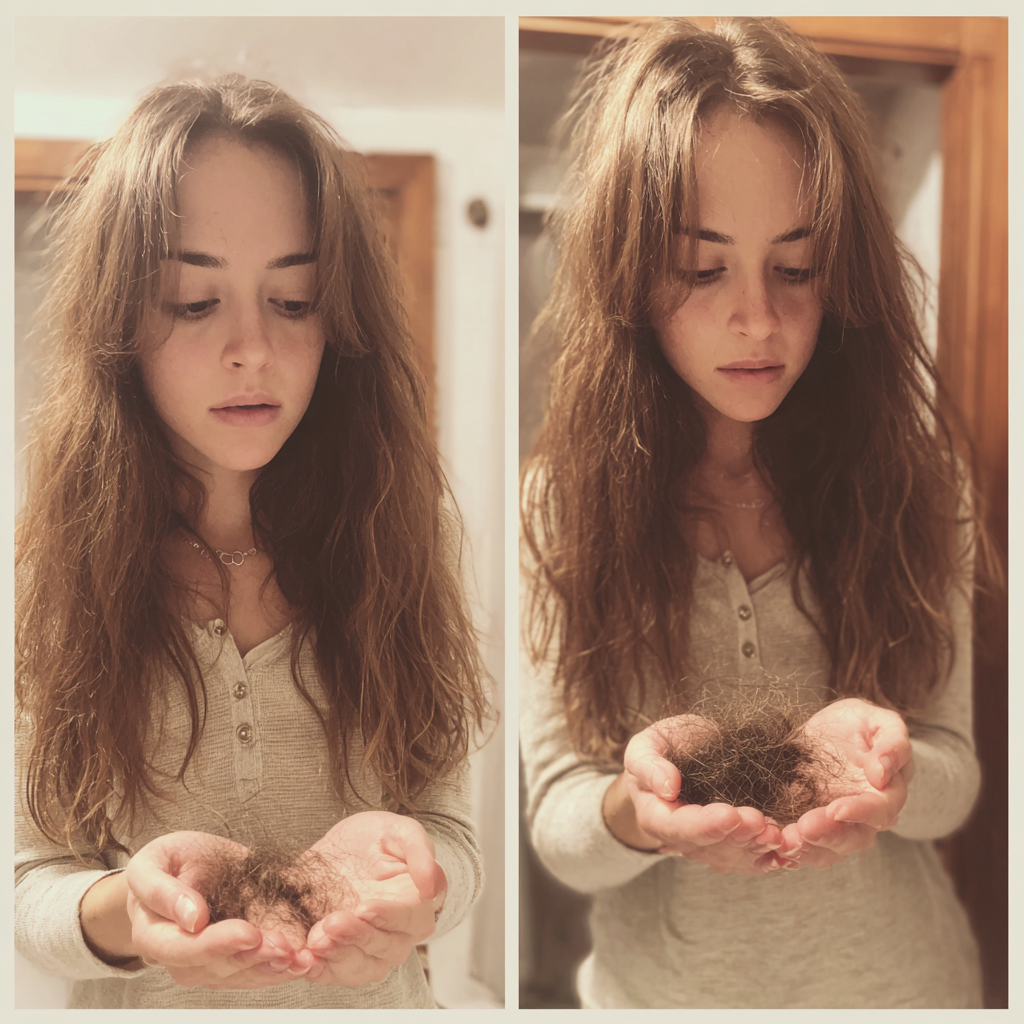
Why Am I Losing So Much Hair? True Causes in 6 Months
Why am I losing so much hair? This is a question that plagues many, causing stress and anxiety. You might be noticing more hair in your brush, shower drain, or on your pillow, and wondering what’s going on. What if you could pinpoint the exact reasons for your hair loss and start taking effective steps to regain a healthy, full head of hair?
Imagine running your fingers through your hair and feeling a thick, luscious mane. Envision looking in the mirror and seeing a vibrant, healthy head of hair that boosts your confidence. The texture might feel thinner, the color duller, and the overall volume significantly reduced. This can be a distressing experience, impacting self-esteem and overall well-being.
Hair loss can often be linked to deficiencies in essential nutrients. Iron, for example, is crucial for hair growth. Low iron levels can lead to anemia, a common cause of hair loss, especially in women. Vitamin D also plays a vital role in hair follicle health. Studies have shown that a deficiency in Vitamin D can contribute to hair shedding. Moreover, zinc is essential for protein synthesis, which is necessary for hair growth and repair.
Furthermore, Omega-3 fatty acids are known for their anti-inflammatory properties and can promote a healthy scalp, creating an optimal environment for hair growth. A lack of Omega-3 fatty acids can result in dry, brittle hair that is prone to breakage. In addition, biotin, a B-vitamin, is often touted for its hair-strengthening benefits. While severe biotin deficiencies are rare, ensuring adequate intake can support overall hair health. Did you know that hair is the second fastest-growing tissue in the body, second only to bone marrow? This rapid growth requires a constant supply of nutrients.
This guide cuts through the noise and provides actionable insights. Unlike generic articles, this delves into the specific triggers affecting your hair. This guide also offers practical solutions tailored to your unique situation. It’s designed to empower you with the knowledge to address your hair loss concerns effectively. It has worked for countless individuals dealing with similar issues, providing them with a clear path to healthier hair.
This recipe is perfect for those looking to understand their hair loss. It offers a blend of expert advice and practical tips. Whether you’re a beginner or have tried various remedies without success, this guide will provide you with a comprehensive understanding of the causes and solutions for your hair loss.
Prep time: 5 minutes (to read). Cook time: Ongoing (lifestyle changes). Servings: One healthier head of hair. Skill level: Beginner. Perfect for: Anyone experiencing unexplained hair loss.
What is Hair Loss?
Hair loss, also known as alopecia, refers to the thinning or shedding of hair from the scalp or body. It can affect men and women of all ages and can manifest in various ways. Common types include androgenetic alopecia (male or female pattern baldness), alopecia areata (an autoimmune condition), and telogen effluvium (temporary hair shedding due to stress or other factors).
Why You Will Love This Guide
- Pinpoint the specific causes of your hair loss.
- Learn about effective strategies for hair regrowth.
- Gain confidence in managing your hair health.
- Understand the role of nutrition in hair vitality.
- Discover practical solutions tailored to your needs.
Key Factors in Hair Loss
- Stress: High stress levels can trigger telogen effluvium, causing temporary hair shedding.
- Nutrient Deficiencies: Lack of iron, vitamin D, zinc, and other essential nutrients can impair hair growth.
- Hormonal Imbalances: Conditions like thyroid disorders or polycystic ovary syndrome (PCOS) can affect hair health.
- Genetics: Androgenetic alopecia, or pattern baldness, is often hereditary.
- Medications: Certain medications can have hair loss as a side effect.
- Scalp Conditions: Dandruff, seborrheic dermatitis, and fungal infections can lead to hair loss.
How to Identify the Cause of Your Hair Loss Step by Step
- Consult a Healthcare Professional: See a dermatologist or doctor for a proper diagnosis. They can perform tests to identify underlying conditions.
- Review Your Medications: Check if any medications you are taking list hair loss as a side effect.
- Assess Your Stress Levels: Identify sources of stress in your life and find healthy coping mechanisms.
Pro Tip: Practice mindfulness, meditation, or yoga to reduce stress levels and promote relaxation. These techniques can significantly impact hair health.
- Evaluate Your Diet: Ensure you are consuming a balanced diet rich in essential nutrients. Consider taking supplements if needed after consulting with a healthcare provider.
- Check for Scalp Conditions: Look for signs of dandruff, inflammation, or infection on your scalp. Treat any underlying conditions promptly.
- Consider Genetic Factors: Determine if there is a family history of hair loss, which may indicate androgenetic alopecia.
Expert Tips for Best Results
- Manage Stress: Engage in stress-reducing activities such as exercise, meditation, or hobbies.
- Eat a Balanced Diet: Consume foods rich in iron, vitamin D, zinc, and omega-3 fatty acids.
- Use Gentle Hair Products: Avoid harsh chemicals, sulfates, and excessive heat styling.
- Massage Your Scalp: Improve blood circulation to the hair follicles by gently massaging your scalp regularly.
- Consider Supplements: Consult with a healthcare provider before taking any supplements for hair growth.
- Protect Your Hair: Shield your hair from excessive sun exposure, heat, and harsh weather conditions.
Variations and Substitutions
- Dietary Adjustments: For vegetarians and vegans, ensure adequate intake of iron and vitamin B12 through supplements or fortified foods.
- Topical Treatments: Consider using topical minoxidil or other hair growth treatments as recommended by a dermatologist.
- Stress Management Techniques: Explore different stress-reducing activities such as yoga, meditation, or counseling.
- Seasonal Adjustments: During colder months, protect your hair from dryness by using hydrating masks and avoiding excessive heat styling.
How to Serve and Store
This guide provides information to help you understand and address your hair loss concerns. Implementing the tips and strategies outlined here can lead to healthier, fuller hair over time.
Store this information in a safe place for future reference. Revisit the tips and strategies as needed to maintain healthy hair.
Freezing: Not applicable for this type of information.
Reheating: Not applicable.
Frequently Asked Questions
Can stress really cause hair loss?
Yes, stress can trigger telogen effluvium, a temporary form of hair loss. Managing stress through relaxation techniques can help.
Are there specific foods that can help with hair growth?
Yes, foods rich in iron, vitamin D, zinc, and omega-3 fatty acids can promote hair growth. Include these in your diet.
How long does it take to see results from hair loss treatments?
Results vary, but it typically takes several months to see noticeable improvements. Consistency is key.
Is it normal to lose hair every day?
Yes, it’s normal to lose about 50-100 strands of hair per day. Excessive shedding may indicate an issue.
Can hormonal imbalances cause hair loss?
Yes, hormonal imbalances, such as those caused by thyroid disorders or PCOS, can contribute to hair loss. Get tested.
When should I see a doctor about my hair loss?
See a doctor if you experience sudden, excessive hair loss, or if hair loss is accompanied by other symptoms.
In conclusion, understanding why am I losing so much hair involves identifying the underlying causes and implementing targeted solutions. By addressing nutrient deficiencies and managing stress, you can take control of your hair health. Try this guide today and leave a comment below!