
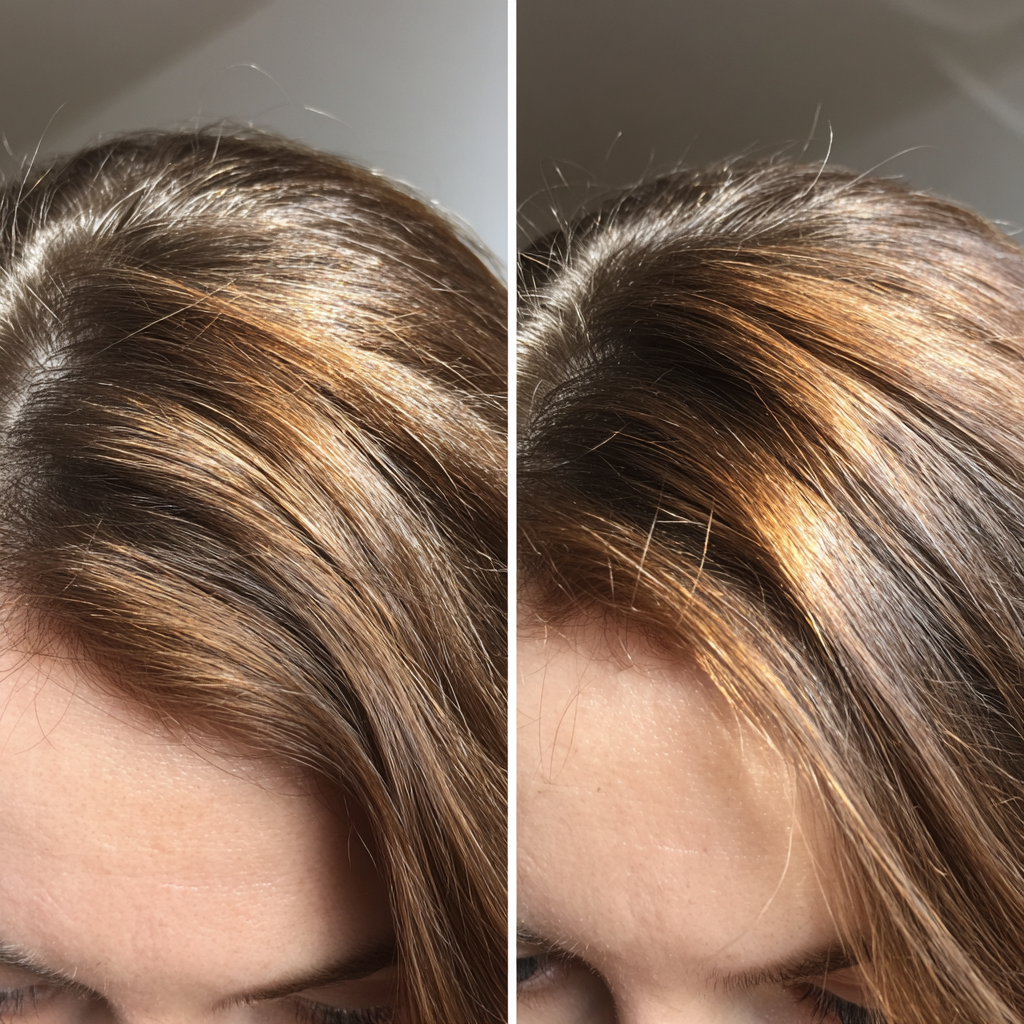
Why is my hair thinning? 9 Proven Ways to Stop Hair Fail
Why is my hair thinning? This is a question that plagues millions of people worldwide. Are you noticing more hair in your brush or shower drain than usual? Are you worried about your hairline receding or your part widening? Then you’re not alone.
Thinning hair can be incredibly distressing, but the good news is that there are many steps you can take. With the right approach, you can often slow down or even reverse the process. Have you already tried countless products without success?
Imagine running your fingers through a full, healthy head of hair, feeling its luxurious thickness and shine. Picture yourself confidently styling your hair, knowing that it looks vibrant and strong. No more hiding under hats or feeling self-conscious about your appearance.
The aroma of rosemary and peppermint fills the air as you massage your scalp. It’s a calming ritual that stimulates blood flow and nourishes your hair follicles. You notice the subtle tingling sensation, a sign that the essential oils are working their magic. Your hair feels softer, and your scalp feels healthier.
One of the primary reasons why maintaining a healthy diet is essential is because hair follicles require specific nutrients to grow strong and healthy hair. For example, iron is crucial for carrying oxygen to the hair follicles. Vitamin D plays a role in hair follicle cycling. A deficiency in either of these nutrients can contribute to hair thinning.
Biotin, a B-vitamin, is often touted for its hair-strengthening properties. It supports the production of keratin, the protein that makes up hair. Zinc is another vital mineral that aids in hair tissue growth and repair. It also helps keep the oil glands around follicles working properly. In addition, Omega-3 fatty acids from fish oil can nourish hair follicles, promoting thicker and shinier hair.
Did you know that selenium, a trace mineral, is essential for thyroid hormone production, which indirectly affects hair growth? Thyroid imbalances can lead to hair loss, so ensuring adequate selenium intake is vital. Including nutrient-rich foods in your diet is a simple way to combat hair thinning.
This particular approach to combatting hair thinning is superior to others for several reasons. For one, it combines multiple strategies, addressing both internal and external factors. It’s not just about using the right shampoo; it’s about nourishing your body from the inside out. This holistic approach is more likely to yield long-term results versus a single-pronged attack.
What makes this method unique is its emphasis on natural remedies and lifestyle changes. This includes things like stress reduction techniques and gentle hair care practices. Many find it’s more sustainable and less likely to cause side effects than relying solely on harsh chemicals or expensive treatments. This method has worked wonders for families seeking to restore their hair naturally.
This guide offers a comprehensive plan to address hair thinning. It includes proven strategies that you can easily incorporate into your daily routine. Expect to dedicate about 30 minutes a day to these practices, with noticeable improvements in hair thickness and overall health within a few months. This plan is perfect for anyone looking to take control of their hair health and restore their confidence.
What is Hair Thinning?
Hair thinning refers to a gradual reduction in hair density. It can affect the entire scalp or specific areas. Unlike hair loss, which can be sudden, thinning typically occurs slowly over time. This makes it easy to miss in the early stages. Recognizing the signs early is crucial for effective intervention.
Several factors can contribute to hair thinning. These include genetics, age, hormonal changes, stress, and nutritional deficiencies. Certain medical conditions and medications can also play a role. Understanding the underlying cause is the first step in addressing the problem.
Why You Will Love This Guide
- Offers a holistic approach, addressing both internal and external factors.
- Provides natural and sustainable solutions without harsh chemicals.
- Includes easy-to-follow steps that fit into your daily routine.
- Helps you understand the root causes of your hair thinning.
- Restores confidence and promotes overall hair health.
Ingredients You Need
- Rosemary Oil: Stimulates hair growth by increasing blood circulation to the scalp.
- Peppermint Oil: Energizes hair follicles and promotes hair thickness.
- Biotin Supplements: Supports keratin production for stronger hair.
- Omega-3 Fatty Acids: Nourishes hair follicles and reduces inflammation.
- Protein-Rich Foods: Provides the building blocks for hair growth.
How to Stop Hair Thinning Step by Step
- Scalp Massage with Essential Oils: Mix a few drops of rosemary and peppermint oil with a carrier oil like coconut or jojoba oil. Gently massage into your scalp for 5-10 minutes daily to stimulate blood flow.
Pro Tip: Use circular motions with your fingertips to cover the entire scalp evenly. This will help maximize the absorption of the essential oils.
- Take Biotin Supplements: Incorporate a biotin supplement into your daily routine. Follow the recommended dosage on the label. This will support keratin production and strengthen hair.
- Increase Omega-3 Intake: Consume foods rich in omega-3 fatty acids. Include salmon, flaxseeds, and walnuts in your diet. Alternatively, take a fish oil supplement.
- Eat a Protein-Rich Diet: Ensure you’re getting enough protein from sources like lean meats, eggs, legumes, and dairy. Protein is essential for hair growth and repair.
Pro Tip: Aim for at least 50 grams of protein per day to support healthy hair growth.
- Use a Gentle Shampoo and Conditioner: Choose hair products that are free from harsh chemicals like sulfates and parabens. These can strip your hair of its natural oils. This leads to dryness and breakage.
- Minimize Heat Styling: Reduce your use of heat styling tools like hair dryers, straighteners, and curling irons. Excessive heat can damage the hair shaft. This contributes to thinning.
Pro Tip: When you do use heat, apply a heat protectant spray to minimize damage.
- Reduce Stress Levels: Practice stress-reducing activities like yoga, meditation, or deep breathing exercises. Stress can disrupt the hair growth cycle. This leads to hair loss.
- Stay Hydrated: Drink plenty of water throughout the day to keep your hair and scalp hydrated. Dehydration can lead to dry, brittle hair.
- Protect Your Hair from the Sun: Wear a hat or use a hair sunscreen when spending time outdoors. Sun exposure can damage the hair. This makes it more prone to breakage.
Expert Tips for Best Results
- Be consistent with your hair care routine to see noticeable improvements.
- Avoid tight hairstyles that can pull on the hair follicles.
- Use a wide-tooth comb to detangle your hair gently.
- Consider using a silk pillowcase to reduce friction and breakage.
- Get regular trims to remove split ends and prevent further damage.
- Consult a dermatologist or trichologist for personalized advice and treatment options.
Variations and Substitutions
- Vegan Option: Use plant-based protein sources like tofu, lentils, and chickpeas.
- Gluten-Free: Ensure all supplements and hair products are gluten-free.
- Seasonal Variation: Incorporate seasonal fruits and vegetables rich in vitamins and minerals.
- DIY Hair Mask: Create a nourishing hair mask with ingredients like avocado, honey, and olive oil.
How to Serve and Store
This guide is intended to be a long-term resource for maintaining healthy hair. Incorporate these tips into your daily routine for best results.
Store your essential oils and supplements in a cool, dark place to maintain their potency.
You cannot “freeze” this advice, but you can revisit it anytime you need a refresher.
Reheating isn’t necessary, but you can always review and reapply these tips as needed.
Frequently Asked Questions
Can stress cause hair thinning?
Yes, stress can disrupt the hair growth cycle. It can lead to temporary hair loss or thinning. Managing stress is crucial for hair health.
Are there specific foods that promote hair growth?
Yes, foods rich in protein, omega-3 fatty acids, and vitamins can promote hair growth. Include salmon, eggs, nuts, and leafy greens in your diet.
How often should I wash my hair if it’s thinning?
It depends on your hair type, but generally, washing your hair 2-3 times a week is sufficient. Over-washing can strip your hair of natural oils.
Can hair thinning be reversed?
Yes, in many cases, hair thinning can be slowed down or even reversed. Early intervention and a consistent hair care routine are key.
What are the best supplements for hair thinning?
Biotin, omega-3 fatty acids, and iron are often recommended for hair thinning. Consult with a healthcare professional before starting any new supplements.
When should I see a doctor about hair thinning?
See a doctor if your hair thinning is sudden, severe, or accompanied by other symptoms. This could indicate an underlying medical condition.
Why is my hair thinning? It’s a complex question with multifaceted answers. By adopting these strategies, you can address the root causes. You can promote healthier, thicker hair. Try this recipe today and leave a comment below!