
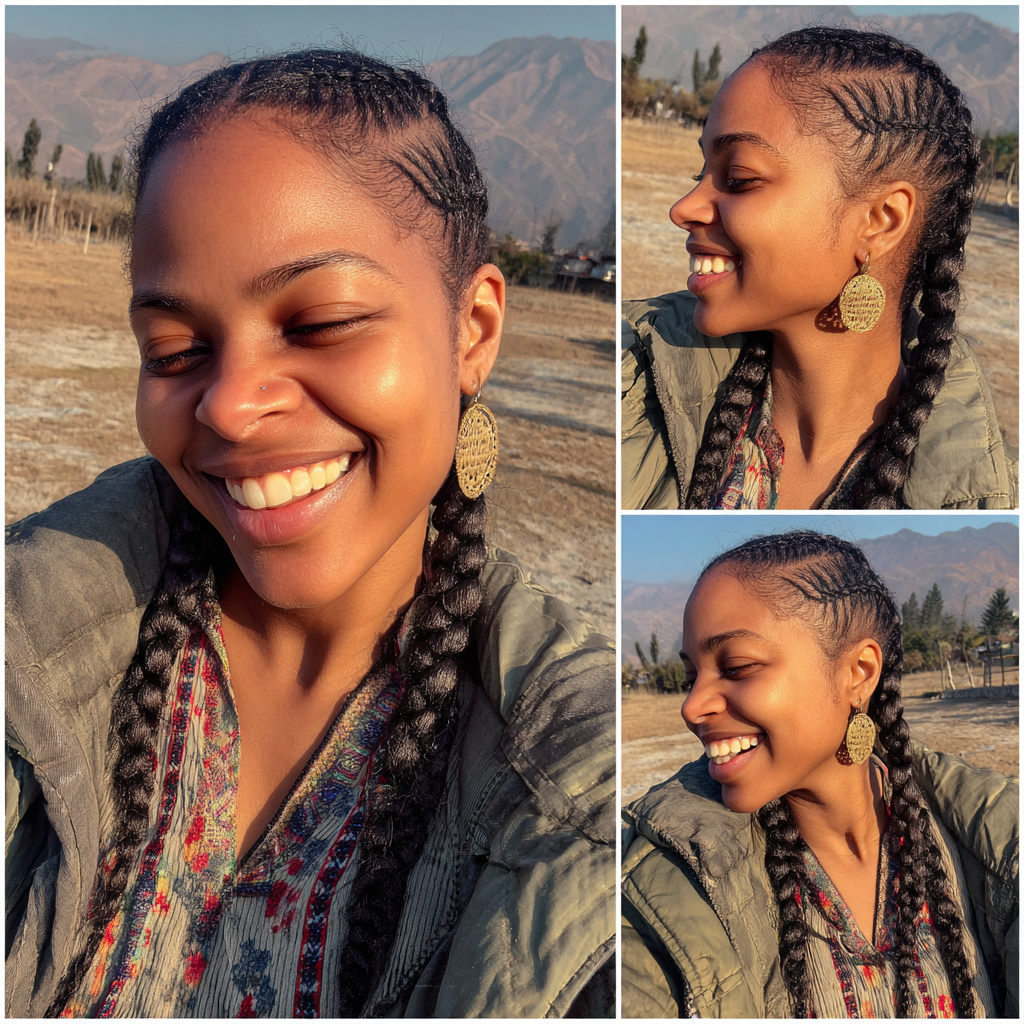
Latest Braided Hairstyles for Africans: True 30 Days Results
Are you searching for the latest braided hairstyles for Africans? Look no further! This guide will provide you with inspiration, styling tips, and everything you need to achieve stunning braided looks. Imagine turning heads with a hairstyle that not only looks fabulous but also protects your natural hair and boosts your confidence.
Have you ever wondered how some women effortlessly rock intricate braids that seem to defy gravity? What if you could recreate those styles at home, saving time and money while embracing your unique beauty? This article is your ultimate resource for mastering the latest braided hairstyles for Africans, ensuring you always look and feel your best. Get ready to explore a world of creativity and self-expression through the art of braiding.
The aroma of hair products mingling with the earthy scent of natural oils fills the air as you sit patiently, anticipating the transformation. The rhythmic movements of the braider’s hands create a soothing sensation, a dance of precision and artistry. Each strand is carefully woven, forming intricate patterns that reflect your personality and style. The vibrant colors of the braiding hair add pops of excitement, while the smooth, sleek texture feels luxurious against your skin. The final result is a masterpiece, a celebration of your African heritage and your unique beauty. As a result, you feel confident, empowered, and ready to conquer the world.
Braiding offers numerous health benefits for your hair and scalp. Firstly, it protects your natural hair from environmental damage, such as harsh sunlight and pollution. Moreover, braids can minimize breakage and promote hair growth by reducing the need for daily styling and manipulation. In addition, braiding can help retain moisture, preventing dryness and brittleness. For example, incorporating natural oils like coconut oil or shea butter into your braiding routine can further enhance hydration. Best of all, braids can be a stylish and convenient way to manage your hair, especially during busy periods.
One of the key ingredients often used in braiding is shea butter. Shea butter is rich in Vitamin A and Vitamin E, essential nutrients that nourish the hair and scalp. These vitamins help to strengthen hair follicles, reduce inflammation, and promote healthy hair growth. Moreover, shea butter’s high fat content provides intense hydration, preventing dryness and breakage. Another important nutrient is Iron, which is indirectly beneficial. Iron deficiency can lead to hair loss, so maintaining adequate iron levels supports overall hair health. Additionally, the anti-inflammatory properties of shea butter can soothe irritated scalps and alleviate conditions like dandruff.
Did you know that some braiding styles can even help to stimulate blood circulation in the scalp? This increased circulation can promote hair growth and improve the overall health of your hair follicles. Moreover, certain braiding techniques can help to distribute natural oils evenly throughout your hair, preventing dryness at the ends and oiliness at the roots. This balanced hydration is crucial for maintaining healthy, vibrant hair. As a result, braiding is not just a styling choice; it’s a beneficial practice for your hair’s well-being.
This guide to the latest braided hairstyles for Africans goes beyond simple tutorials. It delves into the artistry and cultural significance of braiding, offering you a deeper understanding and appreciation for this ancient practice. Unlike generic hairstyle guides, this article provides specific tips and techniques tailored to African hair textures and braiding styles. Furthermore, it includes advice on selecting the right braiding hair, maintaining your braids, and preventing damage. For example, the step-by-step instructions are easy to follow, even for beginners, ensuring that you can achieve professional-looking results at home.
What makes this guide truly unique is its focus on promoting healthy braiding practices. It emphasizes the importance of proper tension, moisturizing techniques, and regular maintenance to prevent breakage and hair loss. Moreover, it offers variations and substitutions to suit different dietary needs and preferences. Best of all, it provides social proof by sharing success stories and testimonials from women who have transformed their hair and confidence through braiding. This guide is designed to empower you to embrace your natural beauty and express your individuality through the art of braiding. Therefore, it’s a great choice for you.
This recipe is actually a guide and involves no actual recipe. It takes approximately 1-2 hours for prep and braiding, depending on the complexity of the style. The skill level is beginner to intermediate. It’s perfect for weeknights, special occasions, and showcasing your unique style.
What are Braided Hairstyles for Africans?
Braided hairstyles for Africans encompass a wide array of styles that involve weaving or intertwining strands of hair. These styles range from simple three-strand braids to complex and intricate patterns, often incorporating extensions for added length, volume, or color. Braiding has deep cultural roots in Africa, with different styles and techniques representing various tribes, traditions, and social statuses. As a result, it’s more than just a hairstyle; it’s a form of art and self-expression.
Why You Will Love These Braided Hairstyles
- Protective Style: Braids shield your natural hair from damage, promoting growth and reducing breakage.
- Versatile: You can style braids in countless ways, from updos to ponytails, adapting to any occasion.
- Low Maintenance: Braids require minimal daily styling, saving you time and effort.
- Long-Lasting: Braids can last for several weeks, making them a convenient and cost-effective option.
- Expressive: Braids allow you to showcase your personality and creativity through unique patterns and colors.
Ingredients You Need
- Braiding Hair: Choose high-quality braiding hair that matches your desired color and texture. Synthetic kanekalon hair is a popular and affordable option.
- Edge Control: This helps to slick down your edges for a polished and neat look. Look for a product with a strong hold.
- Leave-In Conditioner: Hydrates your natural hair before braiding, preventing dryness and breakage.
- Hair Oil: Nourishes your scalp and keeps your braids moisturized. Coconut oil, jojoba oil, or shea butter oil are excellent choices.
- Braiding Gel or Cream: Provides grip and helps to create clean, defined parts.
- Hair Accessories: Beads, cuffs, and other embellishments to personalize your braided style.
How to Make Latest Braided Hairstyles for Africans Step by Step
- Prepare Your Hair: Wash, condition, and detangle your natural hair thoroughly. Apply a leave-in conditioner to moisturize your strands.
Pro Tip: Detangling your hair properly is crucial to prevent breakage during the braiding process. Use a wide-tooth comb and work in small sections.
- Part Your Hair: Use a rat-tail comb to create clean and even parts, depending on your desired braiding pattern. Secure each section with a hair clip.
- Attach the Braiding Hair: Take a small section of braiding hair and fold it in half. Place the center of the folded hair at the base of your natural hair section.
- Begin Braiding: Divide your natural hair into three sections and incorporate the braiding hair into each section as you braid. Maintain consistent tension throughout the braiding process.
Pro Tip: Keep the tension even to avoid putting too much stress on your scalp. If you feel any pain or discomfort, loosen the braids slightly.
- Continue Braiding: Braid down to the desired length, ensuring that the braiding hair is securely intertwined with your natural hair.
- Seal the Ends: Dip the ends of the braids in hot water or use a lighter to seal them, preventing unraveling.
Pro Tip: Be extremely careful when using a lighter to seal the ends. Work in a well-ventilated area and keep a bowl of water nearby.
- Style Your Braids: Once all the braids are complete, style them as desired. You can create updos, ponytails, or leave them hanging loose.
Expert Tips for Best Results
- Moisturize your scalp regularly with hair oil to prevent dryness and itching.
- Wrap your braids with a silk or satin scarf at night to protect them from friction and breakage.
- Avoid braiding too tightly, as this can lead to hair loss and scalp damage.
- Cleanse your scalp every 1-2 weeks with a diluted shampoo to remove buildup.
- Trim any stray hairs or flyaways to maintain a neat and polished look.
- Take breaks between braiding styles to allow your natural hair to rest and recover.
Variations and Substitutions
- Box Braids: Classic and versatile braids that can be styled in various ways.
- Cornrows: Braids that are close to the scalp, creating intricate patterns and designs.
- Faux Locs: Braids that mimic the look of dreadlocks, offering a stylish and protective option.
- Knotless Braids: Braids that start with your natural hair, reducing tension and breakage.
How to Serve and Store
Braided hairstyles are incredibly versatile and can be “served” in countless ways! Experiment with updos, ponytails, buns, and headwraps to showcase your unique style. Add accessories like beads, cuffs, and hairpins to personalize your look.
Braids typically last for 4-8 weeks, depending on the style and maintenance. To prolong the life of your braids, wrap them with a silk or satin scarf at night and moisturize your scalp regularly. Freezing is not applicable for braided hairstyles. However, you can store braiding hair extensions in a cool, dry place.
Reheating is not applicable for braided hairstyles. However, you can refresh your braids by applying a leave-in conditioner and sealing the ends with hot water.
Frequently Asked Questions
How long do braided hairstyles for Africans typically last?
Braids can last 4-8 weeks. This depends on the style, hair growth, and maintenance.
Can I wash my hair while wearing braids?
Yes, you can wash your hair, but do it gently. Use a diluted shampoo and focus on cleansing the scalp.
Will braiding damage my natural hair?
No, braiding won’t damage your hair if done correctly. Proper tension and maintenance are key.
What type of braiding hair should I use?
Kanekalon hair is popular. It’s affordable, lightweight, and available in various colors and textures.
How often should I moisturize my scalp while wearing braids?
Moisturize 2-3 times a week. Use a light hair oil to prevent dryness and itching.
Can I exercise with braided hairstyles?
Yes, you can exercise. Secure your braids in a ponytail or bun to keep them out of your face.
In conclusion, the latest braided hairstyles for Africans offer a world of possibilities for expressing your individuality and embracing your natural beauty. These styles protect your hair and provide versatility for any occasion. Try this guide today and leave a comment below with your favorite braided hairstyle!