
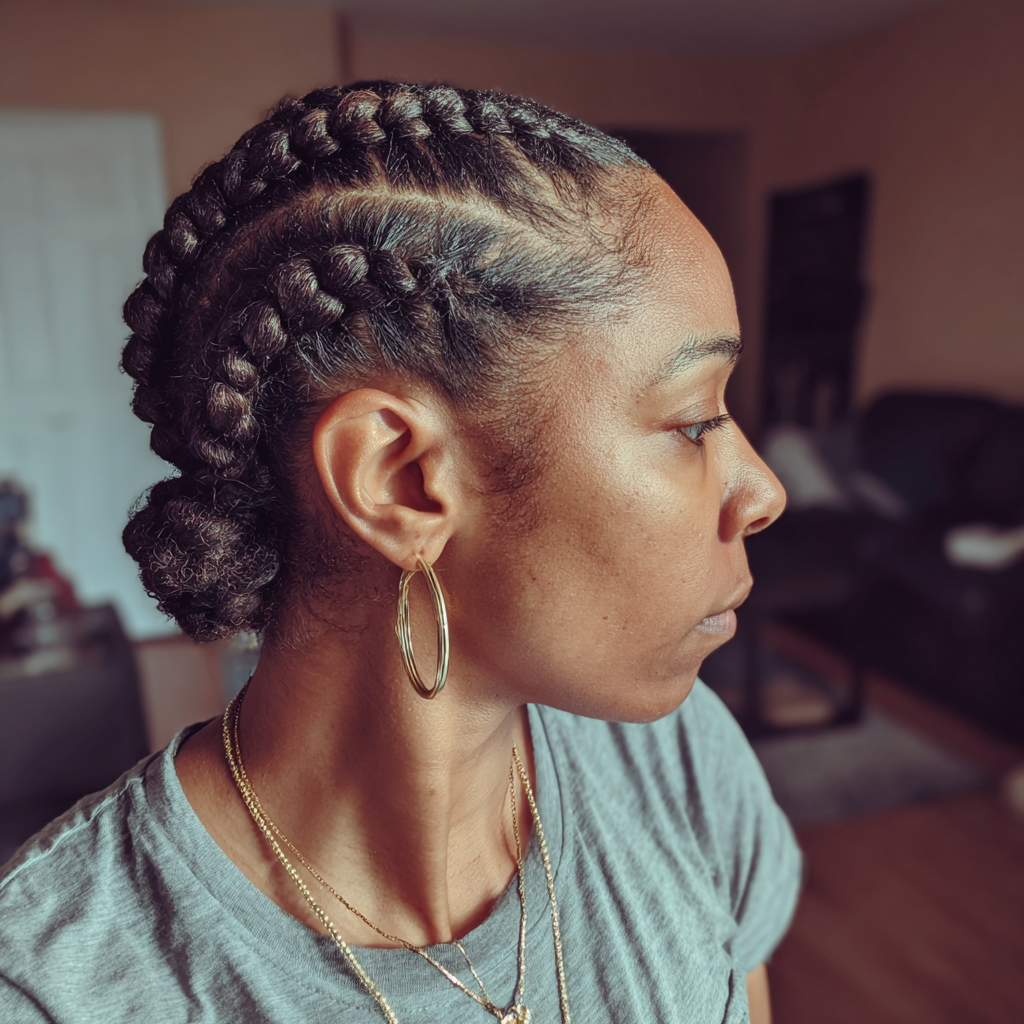
Protective Styles for Natural Hair: True 30-Day Growth
Are you seeking protective styles for natural hair that actually promote growth and minimize breakage? Look no further! This guide provides the ultimate solutions for achieving significant hair growth in just 30 days. Have you ever wondered how to maintain length and vitality while rocking a stylish new look?
This article will delve into the most effective protective styles for natural hair, providing you with the knowledge and confidence to transform your hair care routine. The aroma of nourishing oils, the gentle touch of your fingers as you style, and the vibrant sheen of healthy, protected strands—imagine experiencing this daily.
One of the main benefits of protective styles for natural hair is their ability to shield your delicate strands from environmental damage. The sun, wind, and cold can strip your hair of moisture, leading to breakage and stunted growth. However, these styles act as a barrier, keeping your hair safe and healthy.
Moreover, protective styling minimizes the need for constant manipulation. Excessive combing, brushing, and heat styling can weaken your hair over time. By tucking away your ends, you’re allowing your hair to rest and recover, promoting growth from the roots. As a result, you’ll notice less breakage and increased length retention.
Vitamin E, found in many hair oils, is a powerful antioxidant that promotes scalp health and hair growth. Iron is crucial for carrying oxygen to your hair follicles, stimulating growth from the root. Omega-3 fatty acids, present in flaxseed oil and fish oil, nourish the scalp and reduce inflammation, creating an optimal environment for hair growth. In addition, Vitamin C helps produce collagen, essential for hair strength and elasticity.
Did you know that the average person sheds 50-100 hairs per day? Protective styling can help you retain these hairs, making your hair appear thicker and fuller. This is because the shed hairs remain trapped within the style, adding volume and preventing them from being lost completely. Best of all, this contributes to visible growth over time.
This specific guide stands out because it focuses on practical, actionable advice rooted in scientific understanding of hair health. It goes beyond simply listing styles; it explains the why and how behind each recommendation. This ensures that you not only achieve a beautiful look but also understand how to nurture your hair properly.
In addition, this guide incorporates traditional techniques with modern insights, offering a holistic approach to hair care. Many of these styles have been passed down through generations, proven to work for various hair types and textures. Families have relied on these methods for centuries, and now you can benefit from their wisdom.
Protective styles for natural hair are perfect for those seeking to retain length, minimize damage, and experiment with different looks. This guide caters to both beginners and experienced naturalistas. Prep time varies, but most styles can be achieved within a few hours. It is perfect for weekend styling or meal prep for your hair!
What are Protective Styles for Natural Hair?
Protective styles for natural hair are hairstyles that tuck away the ends of your hair, minimizing exposure to environmental elements and reducing manipulation. These styles help prevent breakage, promote moisture retention, and ultimately, encourage hair growth. Common examples include braids, twists, cornrows, and weaves.
Why You Will Love These Protective Styles
- Significantly reduces breakage and split ends.
- Promotes faster hair growth by minimizing manipulation.
- Protects hair from harsh weather conditions.
- Allows for versatile styling options without damaging your natural hair.
- Reduces daily styling time, saving you valuable time and effort.
Ingredients You Need
- Moisturizing Shampoo and Conditioner: Essential for cleansing and hydrating your hair before styling. This sets the foundation for healthy, protected hair.
- Leave-In Conditioner: Provides an extra layer of moisture, keeping your hair hydrated throughout the duration of the style.
- Hair Oil (Coconut, Jojoba, or Argan): Seals in moisture and adds shine, preventing dryness and breakage.
- Styling Gel or Cream: Provides hold and definition, ensuring a neat and long-lasting style.
- Braiding Hair (Kanekalon or Marley): Adds length and volume, allowing for versatile braiding and twisting styles.
- Edge Control: Keeps your edges sleek and defined, adding the finishing touch to your protective style.
How to Create Protective Styles Step by Step
- Wash and Condition Your Hair: Start with a clean, moisturized base. Use a sulfate-free shampoo and a hydrating conditioner to cleanse and nourish your hair.
Pro Tip: Deep condition your hair after washing to replenish moisture and strengthen your strands.
- Apply Leave-In Conditioner and Hair Oil: While your hair is still damp, apply a generous amount of leave-in conditioner, followed by a hair oil. This will lock in moisture and prevent dryness.
- Section Your Hair: Divide your hair into manageable sections, depending on the desired style. Use clips to keep the sections separate and organized.
- Begin Braiding or Twisting: Start braiding or twisting each section, incorporating braiding hair if desired. Ensure that the braids or twists are not too tight, as this can cause tension and breakage.
Pro Tip: Braid or twist down to the ends of your hair to fully protect them.
- Seal the Ends: Once you reach the ends of your hair, seal them with a small amount of hair oil or a braid sealant to prevent unraveling.
- Style as Desired: Arrange the braids or twists into your desired style, such as a bun, ponytail, or half-up, half-down look.
Pro Tip: Avoid using excessive tension when styling to prevent damage to your hairline.
- Apply Edge Control: Finish the look by applying edge control to your hairline, smoothing and defining your edges for a polished finish.
Expert Tips for Best Results
- Moisturize your hair regularly with a water-based moisturizer or hair oil.
- Wrap your hair with a satin scarf or bonnet every night to prevent friction and breakage.
- Avoid tight styles that can cause tension and hair loss, especially around the hairline.
- Cleanse your scalp regularly with a gentle shampoo or cleansing conditioner to remove buildup.
- Take breaks between protective styles to allow your hair to breathe and recover.
- Trim your ends regularly to remove split ends and promote healthy hair growth.
- Use a wide-tooth comb to detangle your hair gently, starting from the ends and working your way up.
Variations and Substitutions
- Crochet Braids: A faster alternative to traditional braids, where pre-braided hair is crocheted into your natural hair.
- Wigs and Weaves: Provide complete coverage and protection, allowing you to experiment with different colors and textures.
- Cornrows: A classic protective style that can be customized with various patterns and designs.
- Bantu Knots: A simple and stylish way to protect your ends and create defined curls when unraveled.
How to Serve and Store
Serving Suggestions: Rock your protective styles for natural hair with confidence! Accessorize with headbands, earrings, and scarves to personalize your look. Experiment with different partings and styles to find what suits you best.
Storage: Protective styles for natural hair can last for several weeks with proper care. Keep your hair moisturized and protected at night with a satin scarf or bonnet. Refresh your style with a braid spray or hair oil as needed.
Freezing: Not applicable for the style itself, but you can freeze homemade hair masks and treatments for later use.
Reheating: Not applicable.
Frequently Asked Questions
How long should I keep my protective style in?
Generally, 4-8 weeks is ideal. Leaving styles in longer can lead to matting and breakage. Remember to moisturize your hair regularly.
Can protective styles cause hair loss?
Yes, if installed too tightly. Avoid styles that cause tension on your scalp. Proper installation is important for healthy hair.
How often should I wash my hair in a protective style?
Every 1-2 weeks is recommended. Use a diluted shampoo or cleansing conditioner. Focus on cleaning the scalp gently.
What’s the best way to moisturize my hair in a protective style?
Use a lightweight, water-based moisturizer or hair oil. Apply it to your scalp and hair regularly. This keeps hair hydrated.
Can I exercise with a protective style?
Yes, but protect your hair from sweat. Wear a sweatband or wrap your hair. Cleanse your scalp after exercising.
Are protective styles only for long hair?
No, protective styles work for all hair lengths. They protect the ends of your hair. Even short hair benefits.
In conclusion, protective styles for natural hair are a fantastic way to promote hair growth and maintain healthy strands. They protect your hair from damage, minimize manipulation, and allow for versatile styling options. Try this guide today and leave a comment below!